 zestful Grace
 Understanding Pelvic Pain: Causes, Symptoms, and Treatment Options
Pelvic pain is one of those sneaky problems that hits both men and women but somehow still flies under the radar. Blame it on the fact that the pelvis is basically a crowded neighborhood — organs, muscles, nerves, all packed into one tiny zip code. So yeah, figuring out exactly who in that neighborhood is causing the drama can take some detective work.
A dedicated pain management clinic in Houston can carefully identify the underlying cause of pelvic pain and develop a comprehensive treatment plan designed to provide lasting relief and improve overall quality of life.
What Exactly Is Pelvic Pain?
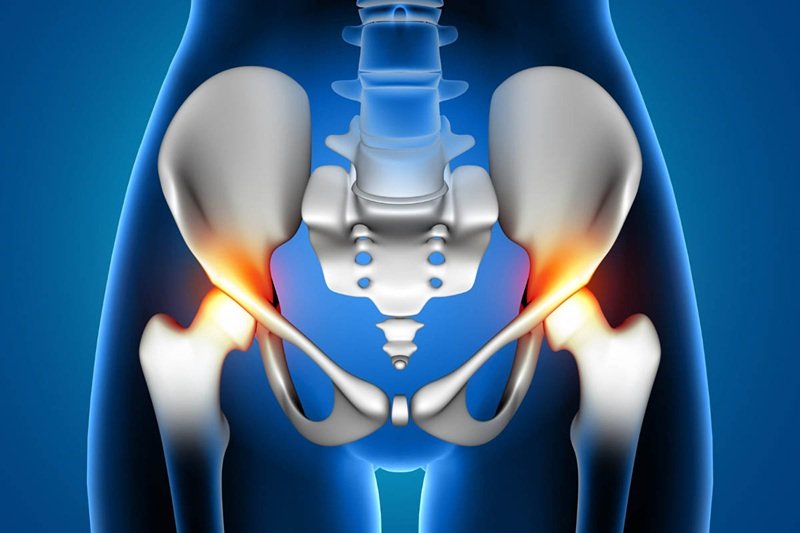
Pelvic pain is discomfort that shows up in the lower abdomen — between your hips, under the belly button. It can be dull, sharp, random, constant… basically a whole personality of pain types. Some people deal with sudden flare-ups thanks to an injury or infection, while others battle chronic pelvic pain that hangs around for months and gets in the way of daily life.
Because the pain can come from the reproductive system, urinary system, digestive tract, or even the muscles and joints, a full evaluation is the only way to get real answers.
Common Causes of Pelvic Pain
Pelvic pain likes to keep things mysterious, but it usually ties back to one of these:
- Infections
- Gynecological or reproductive conditions
- Musculoskeletal problems
- Digestive disorders
Basically, there’s a lot going on in the pelvis — and a lot that can go wrong.
How Pelvic Pain Is Diagnosed
Since there are so many possible culprits, diagnosing pelvic pain requires the slow-and-steady, let’s-check-everything approach. A team of pain specialists in Houston might use:
- Physical exams to pinpoint tender or tight areas
- Blood and urine tests to catch signs of infection
- Ultrasound to take a look at reproductive or urinary organs
- CT or MRI scans for deep-tissue insight
- Pelvic floor assessments to check muscle tension or weakness
- Laparoscopy, when needed, to view organs directly
Think of it like solving a mystery — but medically.
Treatment Options for Pelvic Pain
Once the cause is nailed down, treatment gets a whole lot easier. Options often include:
1. Medications
- Antibiotics when infections are involved
- Anti-inflammatories to calm things down
- Hormonal therapies for conditions like endometriosis or fibroids
2. Pelvic Floor Physical Therapy
A total game-changer for many. Therapy helps relax overworked muscles, strengthen weak ones, and reduce nerve-related pain.
3. Lifestyle Adjustments
Simple changes can absolutely help:
- Managing stress
- Improving nutrition
- Staying hydrated
- Adding low-impact exercise
- Supporting healthy digestion
4. Minimally Invasive Procedures
If needed, things like cyst removal, fibroid treatment, or nerve blocks can provide long-term relief.
When to Get Medical Help
It’s time to call in the pros if you notice:
- Pain that sticks around for weeks
- Sudden, intense pelvic pain
- Pain with fever, nausea, or bleeding
- Urinary or bowel changes
- Pain that messes with your daily routine
Don’t tough it out — early evaluation = better outcomes.
Find Relief with a Pain Management Clinic in Houston
Pelvic pain is complicated, frustrating, and honestly, way too common. But with the right evaluation and treatment, relief is absolutely within reach. A dedicated team of pain specialists in Houston can help you understand what’s going on and guide you toward real, long-term comfort.
If pelvic pain is messing with your everyday life, don’t wait. Help — and relief — are closer than you think.